

Open Courses
Open to all members of GCED Online Campus!
Total 21
 D-79
D-79Open to Public
GCED101: Introduction to GCED (Certificate Course)
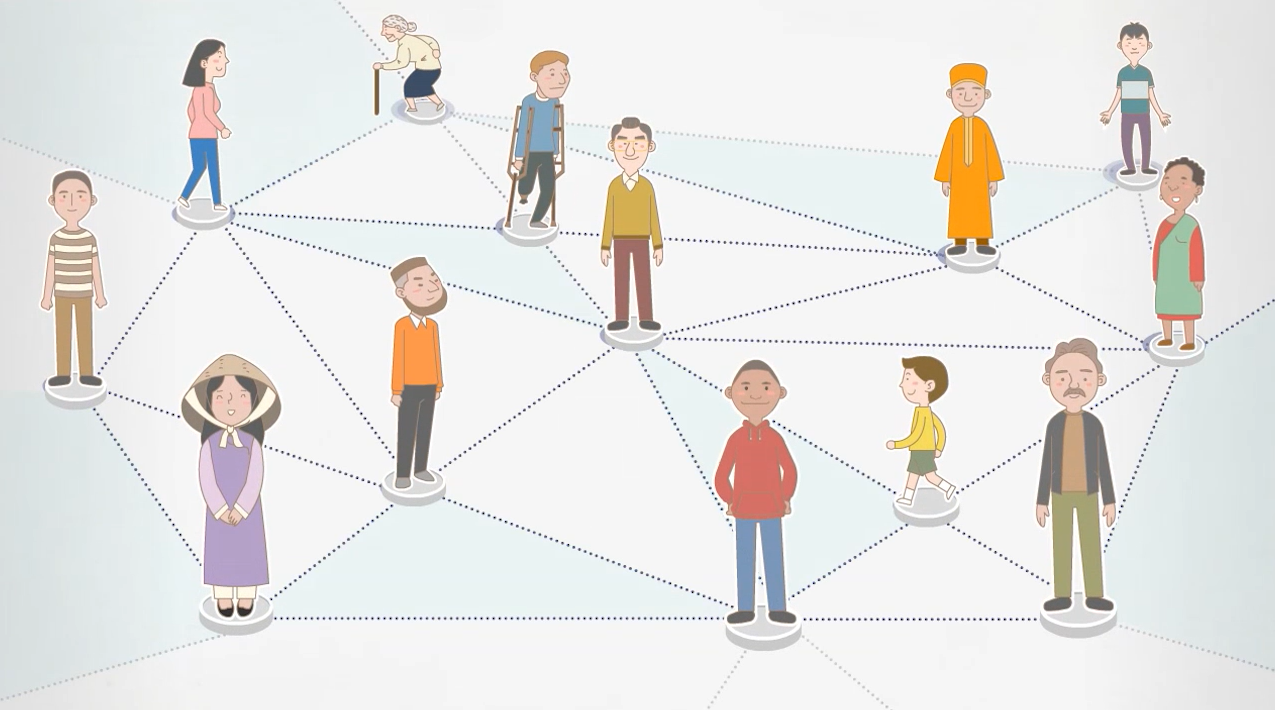
The course aims to provide an overview of the GCED (Global Citizenship Education) as well as its background, concepts under the framework of UNESCO, and guidelines for teaching and learning. The course will help participants gain an understanding of the key concepts and principles of GCED, recognize educational issues relevant to GCED, and identify pedagogical approaches to GCED. Chapter 1 The World We Live in 1 Chapter 2 The World We Live in 2 Chapter 3 The Education We Need Chapter 4 Emergence of GCED as Global Education Agenda Chapter 5 Understanding GCED within SDG4 Chapter 6 Who is a Global Citizen? Chapter 7 What is Global Citizenship Education(GCED)? Chapter 8 Thematic Areas of GCED Chapter 9 Learning Contents of GCED Chapter 10 Teaching GCED to Transform: Pedagogical Principles of GCED Chapter 11 How to Teach GCED Effectively: Teaching Strategies and Approaches Chapter 12 GCED in Practice: Teaching GCED in Classroom Certificates will be given to participants who fulfill the requirements; more than 80% of lecture attendance and submission of an assignment at the end of the course.OngoingSelf-paced D-79
D-79Open to Public
Becoming Global Citizens for a Sustainable Society
This course introduces the SDGs and the notion of Global Citizenship through the series of lectures by renowned experts from all over the world, interviews with scholars, advocates and representatives from all different sectors, and case presentations by active global citizens. The course aims to examine and critically reflect on the revolving issues around the globe at local, national, and international levels by providing a platform where learners can virtually meet and learn from one another. Learners will be able to deepen their understanding of the SDGs and global citizenship, exchange and embrace different perspectives, and challenge their own assumptions. The course invites those who see themselves as global citizens as well as who aspire to assume active roles in bringing meaningful changes to oneself and to the society they are in. No. Module Units 1 Global Citizenship and the SDGs 1) Understanding global citizenship in the context of the SDGs. 2) Why & What is Global Citizenship? 3) Issues Around Global Citizenship 2 Global Citizenship in a Challenging World Key Challenges to Global Citizenship - Poverty & Glocal Justice - Consumerism & Eco Justice - Peace & Preventing Violent Extremism - Media Influence and Critical Literacy - Globalization & Migration - Gender Equality 3 Act to Change: Global Citizenship for Transformation 1) Highlights and Key Issues of the SDGs 2) Global Partnership for Achieving the SDGs 4 Meet the Global Citizens Around the World Case studies of innovative movements and cases of global citizens 5 Plan for Action: Becoming Active Global Citizens 1) How to become active global citizens 2) Advocacy tools and strategiesOngoingSelf-paced D-79
D-79Open to Public
In this highly digitalized world, critical media and information literacy is required for all, not to mention educators and youths. This 3-week course aims to enhance the learners’ competencies on Media and Information Literacy (MIL) with introduction to the current information and learning environments, required competencies to cope with the changing environments, theories on MIL, management of media contents, and ethical issues and engagement with media to promote global citizenship. The course is composed of the following three sessions. Each session provides a lecture and additional learning materials followed by forum discussion. To effectively assist learners’ understanding and learning progress, a set of quizzes is offered per session. Run in a self-paced mood, the course is open throughout the year. Upon the successful completion of the course, a certificate is provided!OngoingSelf-paced D-79
D-79Open to Public
Nowadays, ‘Climate Change’ is certainly one of the most urgent and prominent global issues to be solved. This 4-week course seeks to provide learners to understand the terms, concepts and background knowledge of climate change, as well as the global efforts and international agendas that are taking place to address the issue. Through these activities, learners will deepen their knowledge and enhance their competencies to cope with the climate change, reaffirming their commitment as global citizens. The course is composed of the following four sessions. Each session provides a lecture and additional learning materials followed by assignments. To effectively assist learners’ understanding and learning progress, a set of quizzes will be offered. Run in a self-paced mood, the course is open throughout the year. Upon the successful completion of the course, a certificate is provided!OngoingSelf-paced D-79
D-79Open to Public
Gender Equality and Women's Empowerment: A Pathway to Sustainable Development
This course aims to introduce the topic of gender equality and women’s empowerment with a combination of the series of lectures by renowned international experts on concepts, theories and thematic areas, interviews with scholars, UN representatives, change makers, case presentations of innovative approaches and practices by global citizens all around the world. Understanding the 5th SDG - the multifaceted issues around it and the efforts put forth worldwide to achieve it - is the foundation for this course. Particularly, the course aims to examine and critically reflect on the revolving issues around both gender equality and women’s empowerment with sustainable development by providing a platform where learners can virtually meet and learn from one another. It will bring a critical eye to gender inequality and how it is addressed in the field of sustainable development. Learners will be able to deepen their understanding of gender equality and women’s empowerment, exchange and embrace different perspectives, and challenge their own assumptions. The course invites those who see themselves as global citizens as well as who aspire to assume active roles in bringing meaningful changes to oneself and so the society they are in. Course Objectives: To promote the importance of gender equality in achieving the SDGs. To provide practical knowledge and introduce the innovative practices of gender equality and women empowerment in different parts of the world. To expand learners’ perspectives on women’s rights and empowerment as a shared vision for peaceful, sustainable, and prosperous society To motivate learners to take part in contributing to build a more equal society for all No Modules Units 1 Introduction to Gender Equality and Women's Rights 1) History of Pursuing Gender Equality and Women's Rights 2) How Gender Equality is defined by UN 3) A Platform for Action: The Beijing Declaration 1995-Now 4) Mobilizing Changes: CSW, UN Women 2 Gender Equality in the 2030 Agenda for Sustainable Development 1) Links between Gender Equality and Sustainable Development 2) SDG #5: Stand-alone Goal on Gender Equality 3) Beyond SDG #5: Gender Equality across all the 17 SDGs 4) Progress and Remaining Challenges for SDG #5 3 Women's Empowerment 1) Overview of Empowerment Policies 2) Education: Girls' Education 3) Women's Social and Economic Participation 4) Political Participation, Advancing Women Leaders 5) Gender Equality as a Shared Vision for All and Social Justice 4 Critical Issues on Gender Equality 1) Violence and Discrimination Against Women 2) Health and Gender Equality 3) Climate Change and Gender Equality 4) Migration and Gender Equality 5) Governance and Gender-responsive Policy-making 5 Plan for Action: Paving the Way to Equality 1) Global Partnership for Achieving Gender Equality 2) Movements and Cases on Advancing Women's Rights and Empowerment 3) Tools and Strategies for Gender EqualityOngoingSelf-paced D-79
D-79Open to Public
In the world where lots of conflicts and violent situations are taking place these days, understanding of the conflict and efforts to establish peaceful atmosphere in a society are more urgently required than ever. This 4-week course aims to provide learners to acquire knowledge about the basic understanding and major components of Conflict, Violence and Peacebuilding not only in general but also in localized context, particularly in the African context. Moreover, the course let learners get to know about the ecology of Conflicts and Peace in each learner’s localized context. Going through the sessions, learners will be able to enhance their competencies to apply Peacebuilding into their own context, reaffirming their commitment as global citizens and promoting GCED. The course is composed of the following four sessions. Each session provides a lecture and additional learning materials followed by discussions and assignments. To effectively assist learners’ understanding and learning progress, a set of quizzes will be offered per session. Run in a self-paced mood, the course is open throughout the year. Upon the successful completion of the course, a certificate is provided!OngoingSelf-paced