Applying GCED in classroom진행중심화강좌

Global Citizenship and Cultural Diversity

모집기간 2026-10-02 ~ 2026-10-16
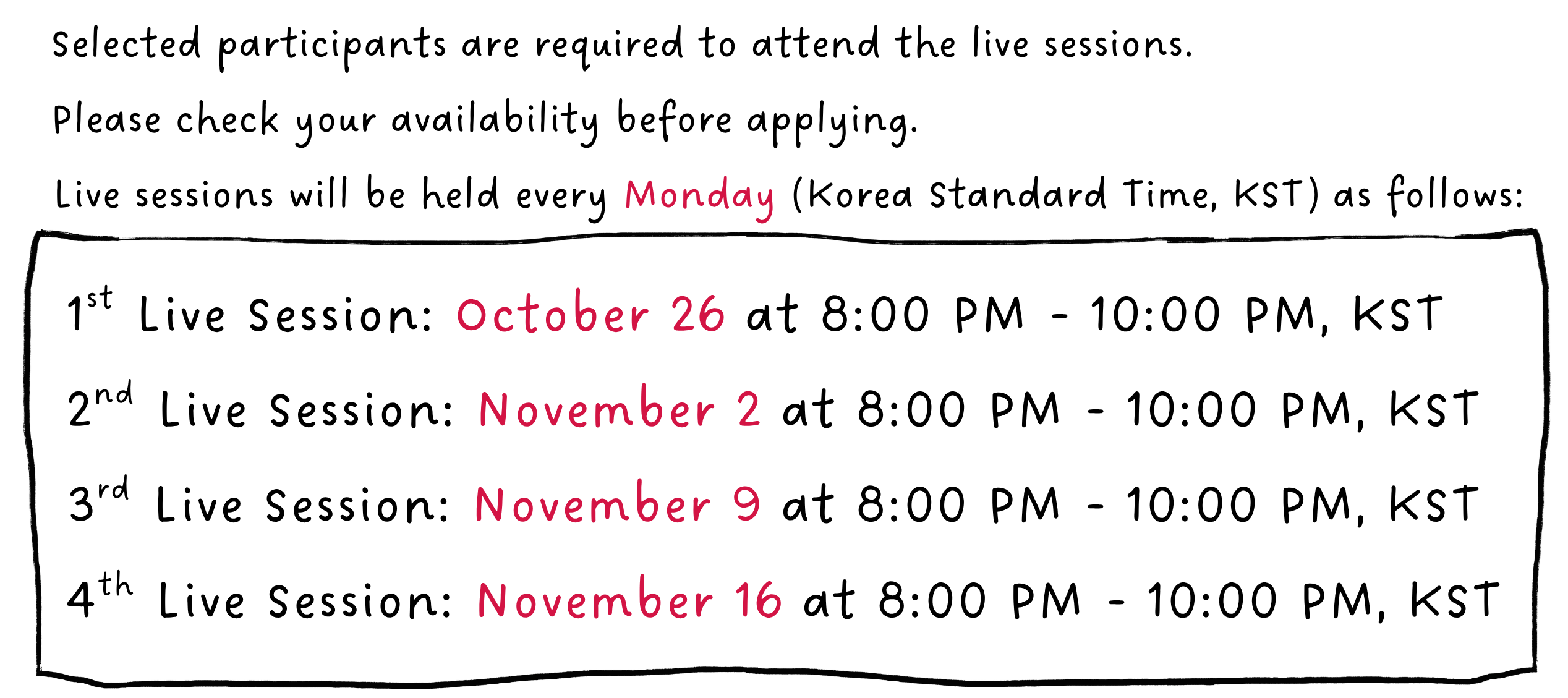
학습기간 2026-10-22 ~ 2026-11-20(4 주)
강좌아이디 2026_80_CL003_1_0_GCCD
  • 강좌 일정 따라 운영

  • 지원 및 선발 과정 진행

  • 강사 개별 지도

  • 이수증 발급
    강좌 이수 직후 이수증을 발급 받으세요

  • 무료강좌

강좌 소개

Global Citizenship and Cultural Diversity provides a basic introduction to the concepts, principles, and purpose of education for cultural diversity in the context of GCED. This course will initially review a range of conceptual and theoretical perspectives on the concept of culture, cultural diversity, and cross-cultural understanding. Based on this review, the course will analyze international agenda and documents of UNESCO including the Universal Declaration on Cultural Diversity (2001) and the Convention on the Protection and Promotion of the Diversity of Cultural Expressions (2005).

Participants of the course will explore practical ideas for appropriate, effective, and creative teaching of GCED and cultural diversity for all levels of formal schooling and non-formal education programmes. Participants are expected to write a GCED and cultural diversity lesson plan relevant to their own countries and work.

image


*IMPORTANT

Please note that the use of AI in preparing application materials is strongly discouraged and may result in disadvantages in the selection process. As English fluency is not the primary criterion for selection, applicants are encouraged to present their own thoughts and perspectives as authentically as possible.


※ For any inquiries regarding the course, please get in touch with GCED Online Campus administrators <gcedonline@unescoapceiu.org>.

강사 소개

 image


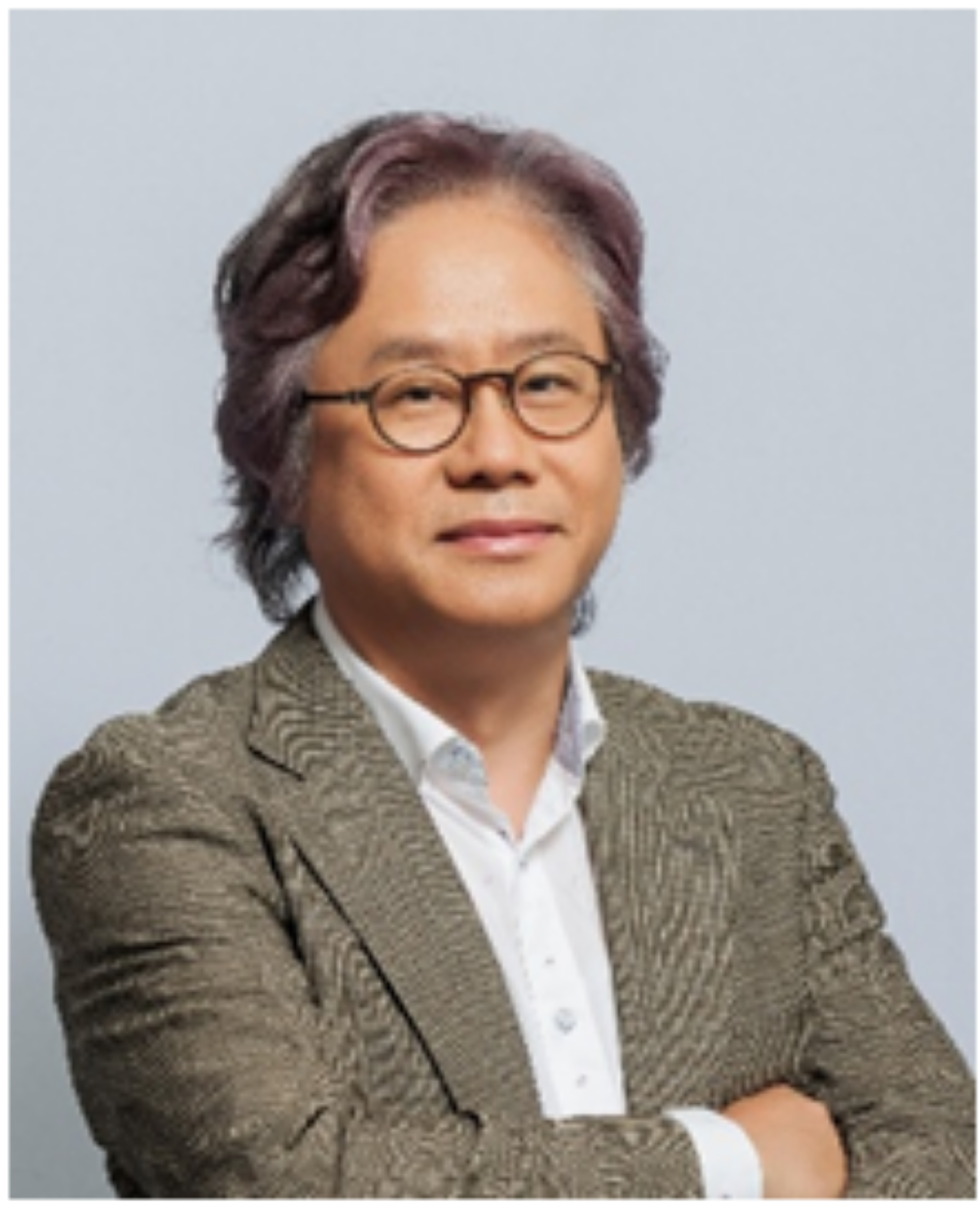
Professor Geon Soo Han 

Geon Soo Han is a professor of the Dept. of Cultural Anthropology, Kangwon National University, Republic of Korea. He studied anthropology at Seoul National University(B.A) and University of California at Berkeley(MA, Ph.D). He is a UNESCO Chair on GCED and cultural diversity. He is a member of the governing board of UNESCO APCEIU and Korean National Commission for UNESCO. He served as a chairperson of Committee of Cultural Diversity, Ministry of Culture, Sports and Tourism, president of Korean Society of Education for International Understanding, and a member of the Muliticultural Family Policy Commission at the office of the Prime Minister of the Republic of Korea.

His main research topics are African studies, multicultural society, international migration, cultural diversity, Cultural Heritage, and Global Citizenship Education.

강좌 리뷰

  • Shams Saadia
    My Perspective: GCED – Global Citizenship and Cultural Diversity

    Session 1: Introduction to GCED
    As an educator and PYP coordinator in Pakistan, I believe global citizenship begins with understanding our own identity, respecting others, and recognising that we are part of a wider global community. Working in a multicultural school environment has helped me understand how different languages, traditions, beliefs, and experiences enrich the learning process.

    I feel that schools have an important responsibility to develop globally minded learners who are not only aware of world issues but also willing to take meaningful action. In my view, global citizenship should be reflected in everyday school practices, relationships, and decisions rather than remaining limited to classroom discussions.

    Session 2: What Is Culture and Cultures?
    From my perspective, culture is not limited to festivals, food, clothing, or traditions. It is deeply connected with our identity, values, beliefs, history, and relationship with our surroundings.

    In Pakistan, we experience cultural diversity through different provinces, languages, traditions, and lifestyles. Our cultural practices also reflect our connection with nature, local resources, and biodiversity.

    I particularly connect with the idea that cultural diversity and biological diversity are interconnected. Traditional knowledge, local practices, and community experiences can play an important role in protecting the environment. The concept of Nature Positive by 2030 reminds me that environmental protection is a shared responsibility, and every community can contribute through local actions.

    As educators, we should help children appreciate their own cultural roots while developing respect for other cultures and ways of living.

    Session 3: Intercultural Communication and Understanding
    I believe intercultural understanding begins when we listen to understand rather than listen to respond. In diverse learning communities, differences in language, beliefs, experiences, and perspectives should be seen as opportunities for learning rather than barriers.

    In my school context, we encourage children to share their perspectives, appreciate differences, collaborate, and become open-minded learners. I believe teachers also need to reflect on their own assumptions and avoid making judgments based on cultural stereotypes.

    Intercultural dialogue is particularly important in today's interconnected world. However, respecting cultural diversity should always go hand in hand with human dignity, equality, inclusion, and mutual respect.
  • pokhrel santosh
    REVIEW NOTES: Global Citizenship and Cultural Diversity With Examples from the Nepalese Context

    1. Module 1: Introduction

    The first module introduces the course, its objectives, participants, and expectations from both students and tutors. Personal introductions provide opportunities for participants from different countries and cultural backgrounds to share their educational experiences, professional identities, and cultural perspectives.

    Effective learning requires active participation, mutual respect, open communication, critical thinking, and collaboration. Students are expected to share their experiences, respect different opinions, and participate in discussions and group activities. Similarly, tutors should create an inclusive learning environment where everyone has equal opportunities to express their views.

    In the context of Nepal, educators can share experiences of teaching students from different ethnic, linguistic, religious, and socioeconomic backgrounds. Such interactions help participants understand cultural diversity and develop global perspectives.

    2. Module 2: What Is Culture and Cultures?

    Culture refers to the shared values, beliefs, languages, traditions, customs, knowledge, arts, and lifestyles of a particular society or community. Culture is learned, shared, transmitted from one generation to another, and continuously transformed through social interaction, education, migration, and globalization.

    Culture can be broadly categorized into material culture, such as clothing, houses, tools, and technology, and non-material culture, such as language, beliefs, values, traditions, and social norms.

    Nepal is a culturally rich and diverse country. People belonging to different ethnic groups, including Brahmin, Chhetri, Tharu, Newar, Tamang, Rai, Limbu, Madhesi, and many others, have their own languages, traditions, festivals, and lifestyles. Dashain, Tihar, Chhath, Lhosar, Maghi, Eid, and Christmas represent this diversity.

    Culture is also closely connected with nature. Nepal's geographical diversity, including the Himalayas, Hills, and Terai, influences people's lifestyles, occupations, food habits, clothing, and traditions. For example, mountain communities have developed lifestyles adapted to cold climates, while communities in the Terai have different agricultural practices and food cultures.

    Culture influences how people interact with nature, too. Community forestry, traditional water management, and nature-based cultural practices demonstrate the relationship between cultural knowledge and environmental conservation.

    3. Module 3: Intercultural Communication and Understanding

    Intercultural communication refers to the exchange of ideas, information, and experiences among people from different cultural backgrounds. It requires effective listening, empathy, respect, and openness to different perspectives.

    Cultural Relativism means understanding a particular culture within its own historical, social, and cultural context rather than judging it solely through the standards of another culture. For example, Nepal has diverse marriage traditions, family structures, and religious practices. Understanding their historical and social backgrounds helps us avoid cultural prejudice. However, cultural respect should not justify practices that violate human rights, gender equality, or human dignity.

    Cross-cultural communication focuses on communication between people from different cultural backgrounds. In a multicultural school in Biratnagar, students speaking Nepali, Maithili, Bhojpuri, Tharu, and Rajbanshi may study together. Teachers should encourage communication and ensure that language differences do not become barriers to participation.

    Intercultural dialogue is a respectful exchange of ideas among people from different cultures to develop mutual understanding, cooperation, and peaceful coexistence. Schools can promote it through cultural exchange programs, group discussions, multilingual activities, and collaborative projects.

    4. Conclusion and Reflection

    These three modules provide an important foundation for Global Citizenship Education. They help us understand our own cultural identities, appreciate others' cultures, communicate across differences, and recognize the importance of human rights and social justice.

    As an educator and school leader in Nepal, I believe schools should transform cultural diversity into a valuable learning resource. Students should take pride in their own cultures while respecting others. They should also develop critical thinking, empathy, equality, and a sense of global responsibility.

    The central message is: Understand your own culture, respect other cultures, communicate across differences, and work together to build a peaceful, inclusive, and just world.